In 2025, much of the automotive conversation circled around "transformation" - software-defined vehicles, autonomy, new architectures and modern programming. For NIT, the change included the enablement of a culture and processes shift - how engineering teams approach the problems of safe and secure SDV development and which tools they use for the purpose.
Therefore, NIT regards the aforementioned shift also through the lens of competence: which skills people actually need, how functional safety and SOTIF fit into iterative development, and where modern programming belongs in a safety-critical environment.
The answers rarely come from one-off workshops, but from long-term programmes tailored to specific teams, products and maturity levels. In 2025, this meant working with partners such as Harman Automotive, the Autoware Foundation and PIX Moving, and learning from events like ELIV 2025. Together, these collaborations show what SDV-ready really means in practice - beyond slides, slogans and isolated pilots.
Turnkey transformation programs: tailored upskill towards safe and secure SDV platform development
For many automotive software engineers, SDV initially sounded like a future target architecture rather than something that shaped their day-to-day work. This is where NIT excels by providing tailored transformation programs to make the SDV future concrete and actionable. We call these programs CTKA upskill - Culture Transformation and Key Areas - highlighting the need for both a culture shift and filling the knowledge gap.
The Introduction to Software-Defined Vehicles course, led by Prof. Dr. Marija Antić, is the entry point into a four-course CTKA path that also covers safety, processes and cybersecurity. In just over a year, two dozen of participant groups with nearly 400 participants enrolled and completed the course, including different team structures and seniority levels.
Following, the program continues building the necessary know-how in project planning and execution, within the course Automotive Quality and Project Management led by Dr. Dragana Đorđević Čegar. The third course in the matrix is the popular Systems, Functions and Safety course, led by Prof. Dr. Milan Bjelica. This course focuses on the correct application of safety engineering in automotive within ISO 26262 and ISO 21448 frameworks. Finally, the grand finale: Automotive Cybersecurity Fundamentals, led by the cysec wiz Sinisa Stanojlović - after which the participants present their work in front of panel of assessors.
Most participants entering the transformation come from either a classic embedded context or traditional web application programming. The training therefore focuses on architecture, framing SDV as a shift from device-centric code to platform-centric thinking - layered platforms, reusable services and long-lived features, all built up using the correct processes including the ultimate regard to safety and cybersecurity. To keep cohorts aligned, NIT used a flipped-classroom format with short pre-work and live, exercise-driven sessions built around a single feature chosen from each group’s domain of interest (e.g. self-parking app, geolocation service and alike).
We are proud to share that the transformation program was selected by some major automotive players, such as Harman Automotive or Visage Technologies.
Autoware Foundation: building safety competence for open-source AD software
This year, NIT launched a specialised functional safety programme with the Autoware Foundation to upskill lead contributors so they can shape the safety arguments, processes and evidence base needed to certify their open-source autonomy stack.
NIT Academy team led by Prof. Dr. Bogdan Pavković delivers a compiled curriculum tailored to open-source autonomous driving stacks, covering core ISO 26262 topics and key ISO 21448 SOTIF aspects, with emphasis on processes and the impact of AI-based technologies.
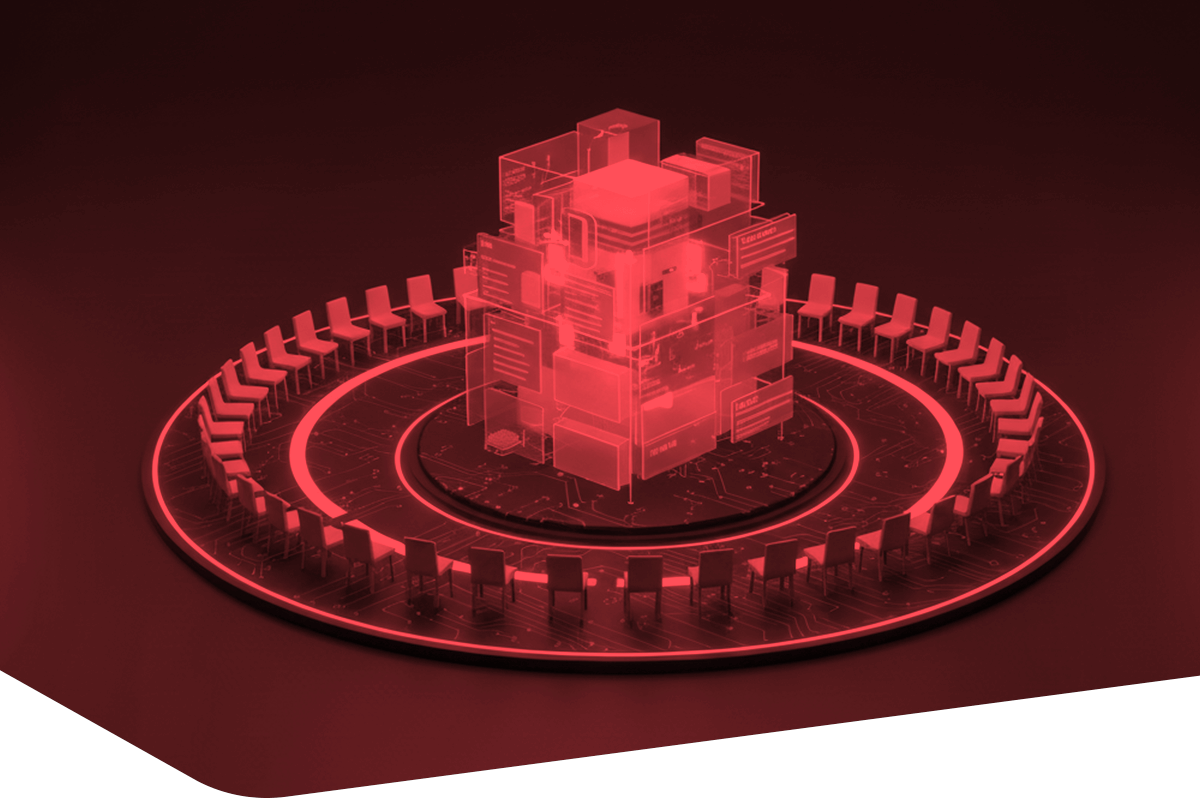
A cohort of around 20 contributors goes through safety fundamentals, executing HARA and HIRE during the concept phase, establishing ASIL and safety goals, but also crafting a defensible safety case.
Weekly live sessions are built around concrete examples from Autoware’s day-to-day work and spread over several months to fit into ongoing development. The aim is to enable core contributors to lead safety practices in their projects and support future certification of open-source components - making the programme relevant not only for Autoware itself, but also for the wider autonomous driving community that relies on open-source software.
SDV transformation only works when safety, architecture and software skills scale across the team - not when they sit with a single expert or in a single workshop.
ELIV 2025: SDV reality check from the show floor
While long-term programmes with partners such as Harman and the Autoware Foundation show how SDV competence is built from the inside, events like ELIV 2025 in Bonn offer a reality check on where the wider ecosystem actually is. Prof. Dr. Milan Bjelica was representing NIT at the conference, with the aim of answering a seemingly simple question: how far has the industry really progressed toward software-defined vehicles?

Across OEM presentations, a clear pattern emerged - SDV maturity is still fragmented. Only a small share of vehicles on the road today could realistically be considered SDV-ready, and timelines differ sharply between new entrants and traditional OEMs balancing legacy production with new software organisations. On the technical side, virtualisation and cloud-based validation dominated the agenda, with Software-in-the-Loop environments and open middleware initiatives, such as Eclipse S-Core pointing to a clear shift-left trend. Another strong theme was the rise of AI in engineering workflows, from automated traceability in the V-Model to SOTIF-oriented micro Operational Design Domains that localise uncertainty.
Yet the most consistent message came outside the slides - in discussions with companies such as Sonatus, QNX, ETAS and Qorix: SDV transformation still depends on people. The industry largely lacks structured upskilling that connects software engineering, safety, cybersecurity and governance into a single competence model. That gap is exactly where NIT’s approach fits - combining training and consulting to support end-to-end engineering competence, so that SDV initiatives can move from pilots and prototypes to repeatable practice.
safeXloop: a reusable blueprint for autonomous shuttles
Another 2025 milestone is the start of a collaboration with PIX Moving, a company building a class of self-driving, modular shuttle vehicles. PIX provides the PixKit 2.0 autonomous platform and technical support - NIT brings expertise in SDV, functional safety, cybersecurity and customer experience.
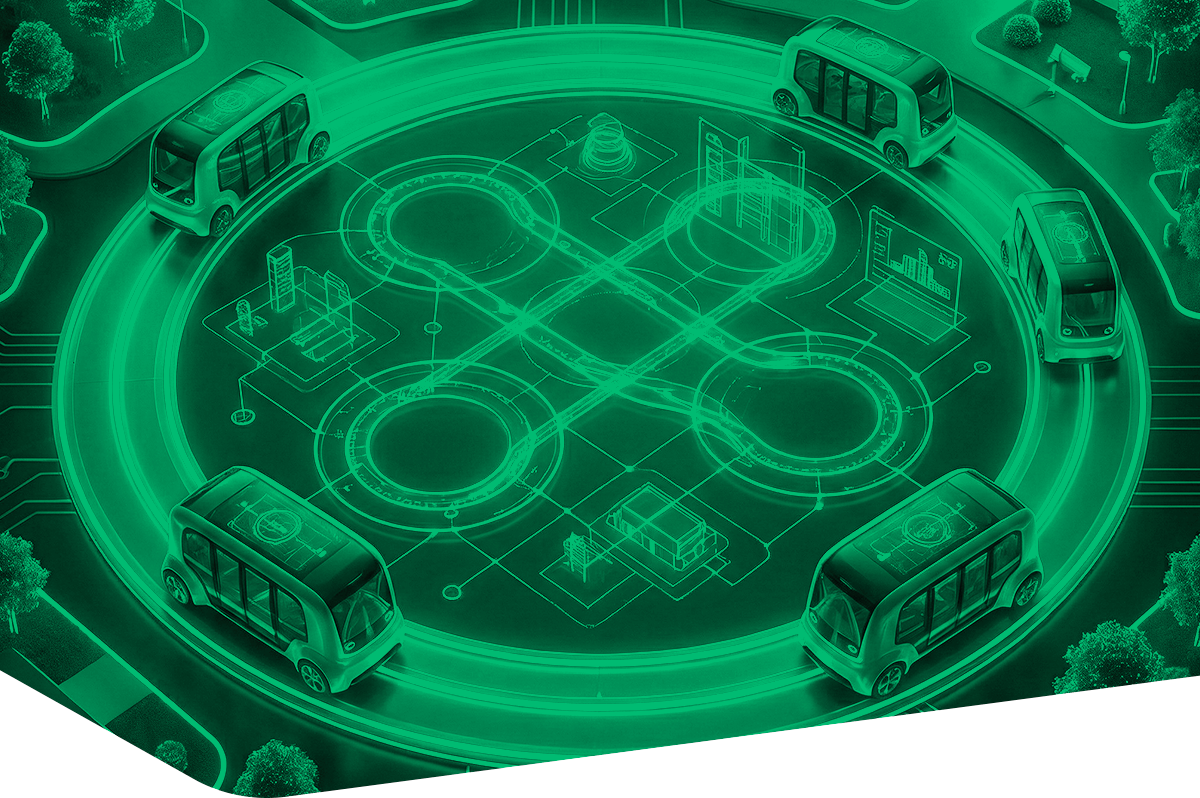
The goal is not just a demo vehicle, but a reusable blueprint for deploying these shuttles in clearly defined Operational Design Domains - for example, first- and last-mile transport in tourist resorts or campus environments. On top of PixKit, NIT further improves its framework for SDV-style ADAS functionality, together with a reference SDV architecture, development and verification plans and a safety case aligned with modern SDV, FuSa & CySec and CX paradigms with the new codename - safeXloop.
The resulting framework, processes, document templates and CX pipelines - from software integration and releases to deployment on small fleets - are intended as a golden path for other ODDs and a turn-key solution for autonomous shuttles OEMs building on the PIX Moving hardware platform.
Rust and SDV orchestrators: from training to deep code review
SDV transformation also happens at the programming level. One of the new picks for system-level SDV programming is Rust, required by teams in charge of the development of critical parts of the SDV SW platform. NIT’s Rust course gives engineers a solid grasp of the language foundations - ownership and borrowing, memory safety, concurrency patterns and testable code - so they can use Rust confidently in safety-relevant systems.
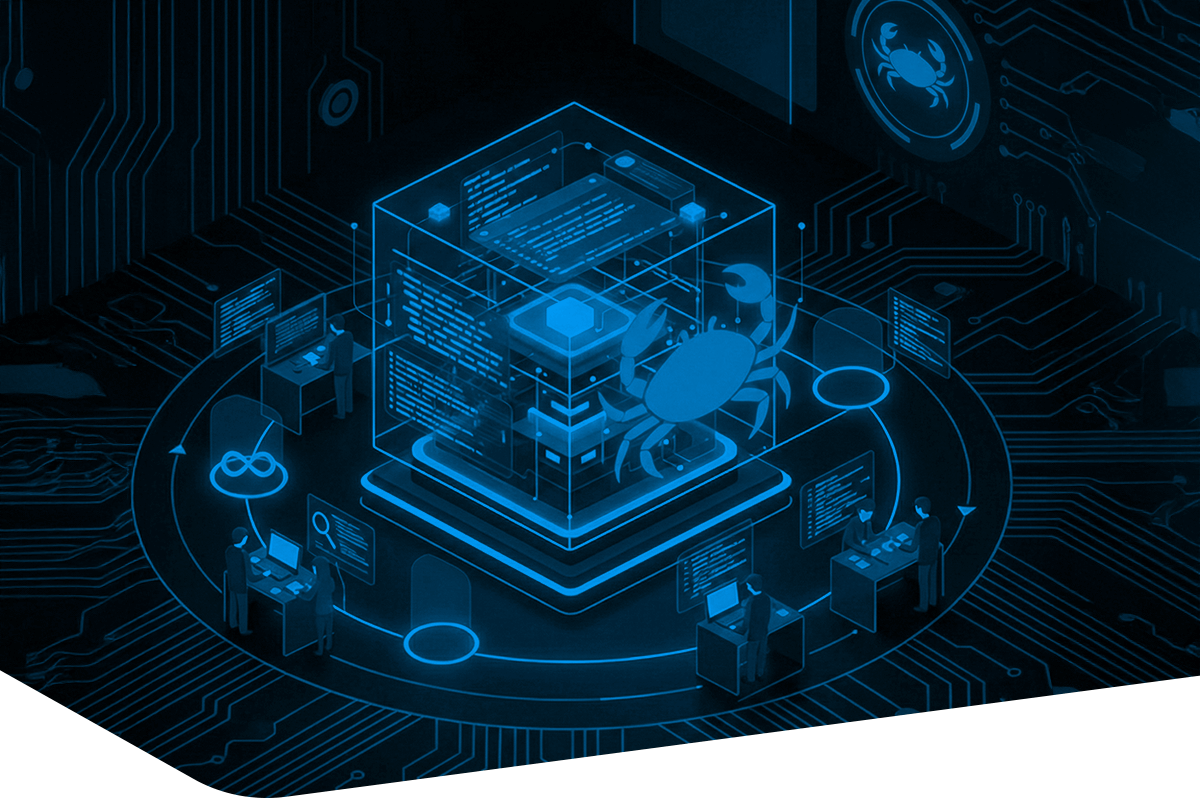
NIT already helped companies to master Rust both in the form of training and consulting engagement. One such collaboration is with Harman, where NIT scrutinized the platform in depth - software architecture, scheduling and memory handling, code organisation and test infrastructure. Through independent code reviews and two rounds of gap analysis, summarised in reports and direct code comments, we helped engineers implement fixes and improvements and then repeated the review cycle - turning Rust training into concrete improvements of a real SDV platform and a template for future Rust-based projects.
NIT in 2025: The Year Concepts Became Practice
For NIT, 2025 was less about announcing new concepts and more about helping teams turn existing ones into daily engineering practice.
If your teams are facing similar questions - SDV architectures, functional safety and SOTIF, open-source autonomy, self-driving shuttles or safer low-level code - NIT Academy offers courses that can be combined into tailored learning paths, as well as custom training and consulting around your products and codebases.
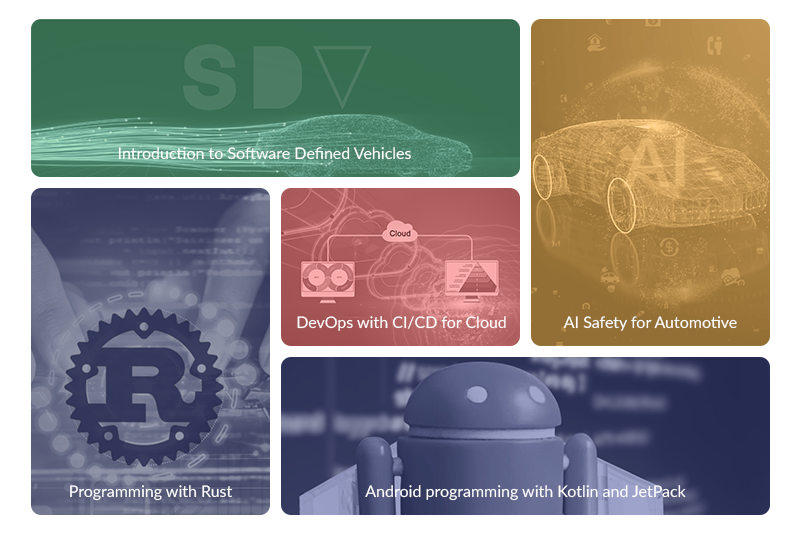
To help teams build the skills behind these shifts, we recommend the following NIT Academy courses:
- Introduction to Software Defined Vehicles
- AI Safety for Automotive
- DevOps with CI/CD for Cloud
- Programming with Rust
- Android programming with Kotlin and JetPack
Subscribe to our newsletter to stay informed on all topics regarding our work.