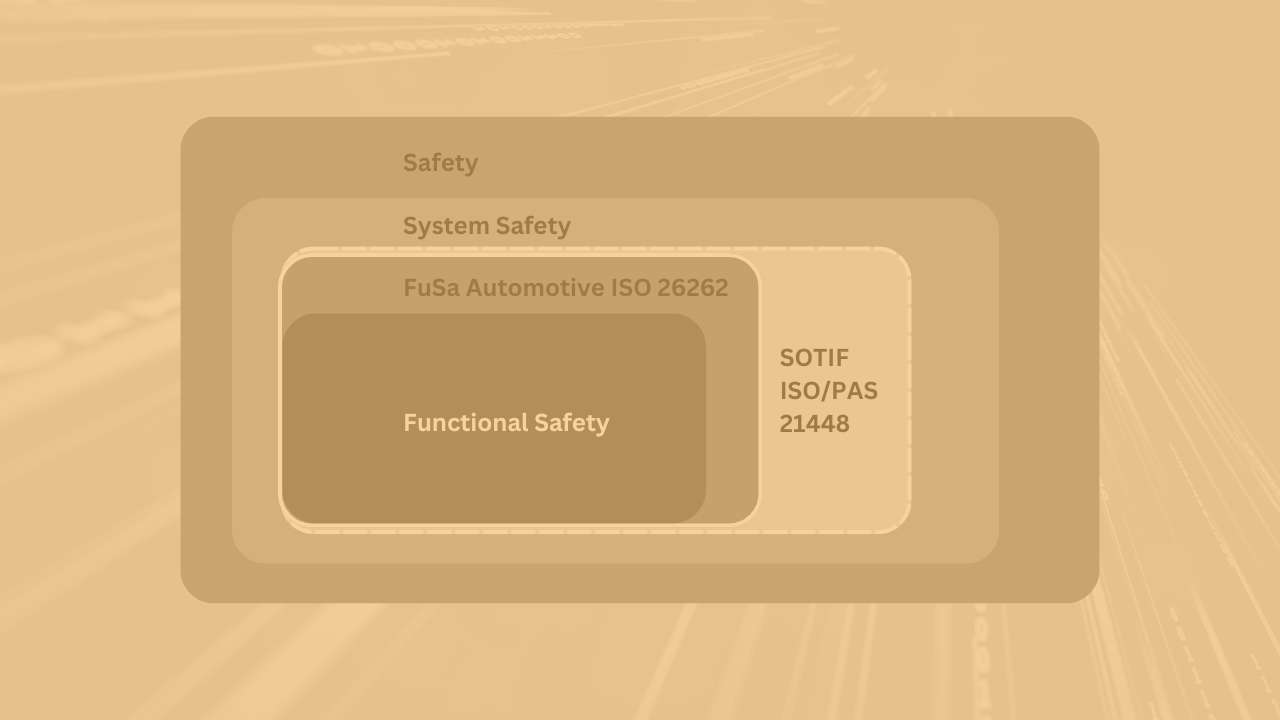
The automotive industry is facing a paradigm shift, by introducing software-define functions, applications, and modules. Aspects of safety in such systems are of paramount importance since there are people involved. This course covers the basics of functional safety, including key concepts and the important ISO 26262 standard in automotive. You will be briefly introduced to safe architecture design, and you will learn what safety and compliance mean to software design.
Course topics:
- Introduction to functional safety
- Functional safety concepts: fail-safe, fault-tolerant, fail-operational system design
- ISO26262 and its application in next-generation vehicles
- Safety management and related processes
- Introduction to hazard and risk analysis
- Safety concepts in risk analysis
- Technical safety concept and system design
- Hardware development vs safety
- Software development vs safety
- Safety decomposition and examples
- Safety design exercises
Requirements
Software: Chrome browser.
Hardware: Computer with an Internet connection, working speakers, and microphone.
Prior knowledge: Students should understand the basics of modern software development practices (clean code, testing, …) and have some experience working in IT.