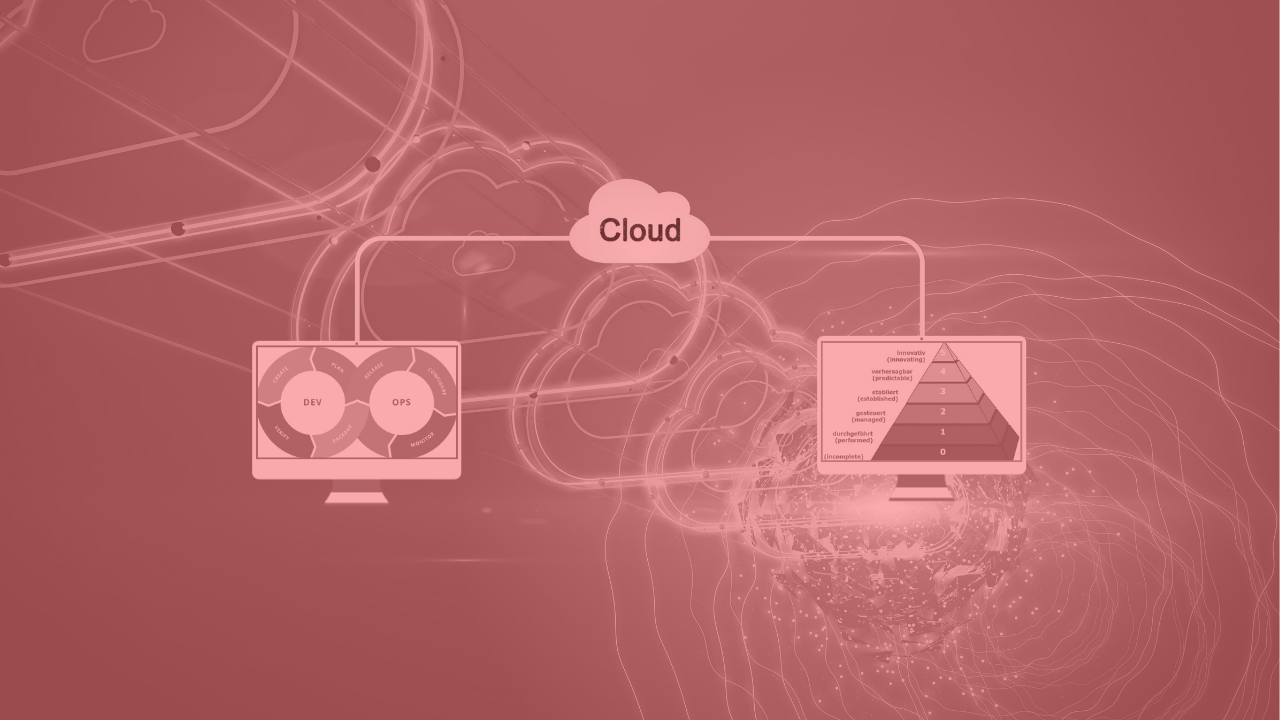
This course offers a comprehensive introduction to DevOps for Cloud, covering essential topics like CI/CD, DevSecOps, containerization with Docker, infrastructure as code with Terraform, Kubernetes management, and the strategies for continuous delivery and deployment. Learn to integrate security, automate testing, and efficiently deploy applications in cloud environments.
Course Topics:
- DevOps Fundamentals: Principles, culture, and CI/CD concepts.
- DevOps and the V-Model: Integrating testing phases with CI pipelines.
- Automated Testing: BDD, TDD, and automating tests within CI.
- DevSecOps: Security in CI pipelines and automated vulnerability scanning.
- Containerization with Docker: Creating and managing Docker containers.
- Continuous Delivery: Ensuring software is always in a deployable state.
- Infrastructure as Code (IaC): Using Terraform for cloud infrastructure automation.
- Kubernetes: Managing containers and deploying applications on Kubernetes.
- Continuous Deployment: Automating deployments and zero-downtime releases.
Requirements
Software: Chrome browser.
Hardware: Computer with an Internet connection, working speakers, and microphone.
Prior knowledge: Participants should have a basic engineering background, and preferably a software background and knowledge of at least one programming language.